Explore how adobe-inspired forms, rammed earth, shaded courtyards, natural plaster, and earthy colors are finding new expression in contemporary desert homes.
From ancient earthen structures to contemporary desert retreats, a new appreciation for natural materials, thoughtful design, and regional heritage is shaping the way we build in the American Southwest.
Architecture & Design | Utah Homes Journal
There is something unmistakable about the architecture of the American Southwest. Perhaps it is the way a home rises from the earth rather than appearing to sit upon it. Or the warm, sun-washed walls that seem to borrow their colors from the surrounding mesas, canyons, and desert floor.
In Southern Utah, where the landscape commands attention, architects and homeowners have an extraordinary opportunity to create spaces that feel connected to their surroundings. And increasingly, the most compelling designs are not necessarily the most elaborate. They are the ones that understand the land, respect the climate, and embrace the quiet beauty of simplicity.
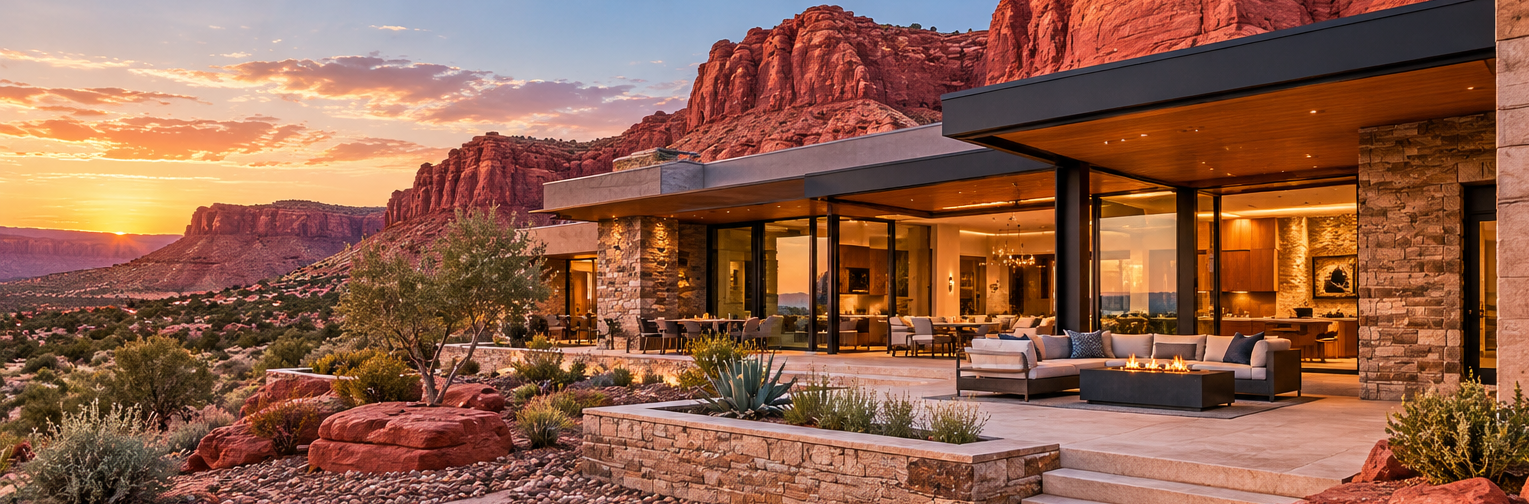
A contemporary interpretation of Southwestern architecture is bringing together centuries-old building wisdom and modern design. Natural textures, earthen colors, sculptural walls, shaded courtyards, and expansive glass are finding common ground in homes that feel both timeless and distinctly contemporary.
“Perhaps the most beautiful homes of the Southwest are not those that compete with the landscape, but those that seem to belong to it.”
Architecture Born of the Earth
Long before contemporary architecture introduced the language of sustainability, Indigenous communities throughout the Southwest developed sophisticated building traditions using locally available materials.
Pueblo communities constructed enduring settlements with earth, stone, timber, and carefully considered arrangements of living spaces. Their architecture reflected cultural traditions, available resources, and the demands of the surrounding environment. These were not simply structures for shelter, but places shaped by community, ceremony, and everyday life.
Later Spanish Colonial building traditions introduced and adapted additional techniques, including adobe brick construction, plastered walls, and courtyard-centered homes. Over time, these architectural influences contributed to the familiar Southwestern vocabulary of rounded corners, substantial walls, wooden beams, and sheltered outdoor spaces.
Today, designers are looking again at these traditions—not necessarily to reproduce historic buildings, but to understand the enduring ideas behind them.
The Return of Natural Materials
One of the most intriguing developments in contemporary Southwestern design is a renewed interest in materials that express the character of the earth itself.
Adobe, traditionally made from sun-dried earthen bricks, remains one of the region’s most recognizable building materials. Its textured surfaces and substantial walls create a sense of permanence that manufactured finishes often struggle to imitate.
Rammed earth offers another compelling approach. Soil mixtures are compacted within forms to create dense walls, sometimes revealing beautiful horizontal layers reminiscent of the geological formations surrounding Utah’s canyon country.
Natural plaster, stone, timber, and clay-inspired finishes can introduce similar warmth, even when a home is constructed using more conventional modern building systems.
The appeal is not simply aesthetic. Properly designed earthen walls provide thermal mass, helping moderate indoor temperature fluctuations under suitable conditions. However, insulation, moisture protection, engineering, and careful climate-specific design remain essential to a home’s overall performance.
What makes these materials especially attractive is their honesty. Their beauty often comes from texture, subtle variation, and the imperfect character of natural surfaces.
The Courtyard Makes a Comeback
Few architectural features capture the spirit of Southwestern living quite like the courtyard.
Historically, enclosed outdoor spaces provided privacy, shelter, and a gathering place for family life. Today, the courtyard is being reimagined as an extension of the modern home.
Imagine a quiet interior garden surrounded by warm plaster walls. A small fountain softens the afternoon stillness. Desert-adapted trees offer filtered shade, while broad doors connect the courtyard to the kitchen and living areas.
In Southern Utah, where summer temperatures can be intense, thoughtful courtyard design offers opportunities for shade, protected outdoor seating, and a more comfortable relationship between interior and exterior spaces.
Contemporary versions may incorporate retractable shade structures, outdoor kitchens, native landscaping, and large sliding glass panels.
The result is something especially appealing: a home that opens inward to a private sanctuary while remaining connected to the expansive landscape beyond.
A New Palette Inspired by the Desert
Southwestern architecture has always drawn inspiration from the natural colors of the region.
But today’s interpretation moves beyond the familiar terracotta walls and rustic wooden furniture.
Contemporary designers are embracing a more restrained palette: sandstone, soft clay, warm ivory, muted sage, charcoal, and the gentle pinks of desert stone.
Against these quiet backgrounds, natural materials become the focal point. A weathered timber beam, hand-finished plaster wall, or beautifully textured stone fireplace can provide all the visual interest a room needs.
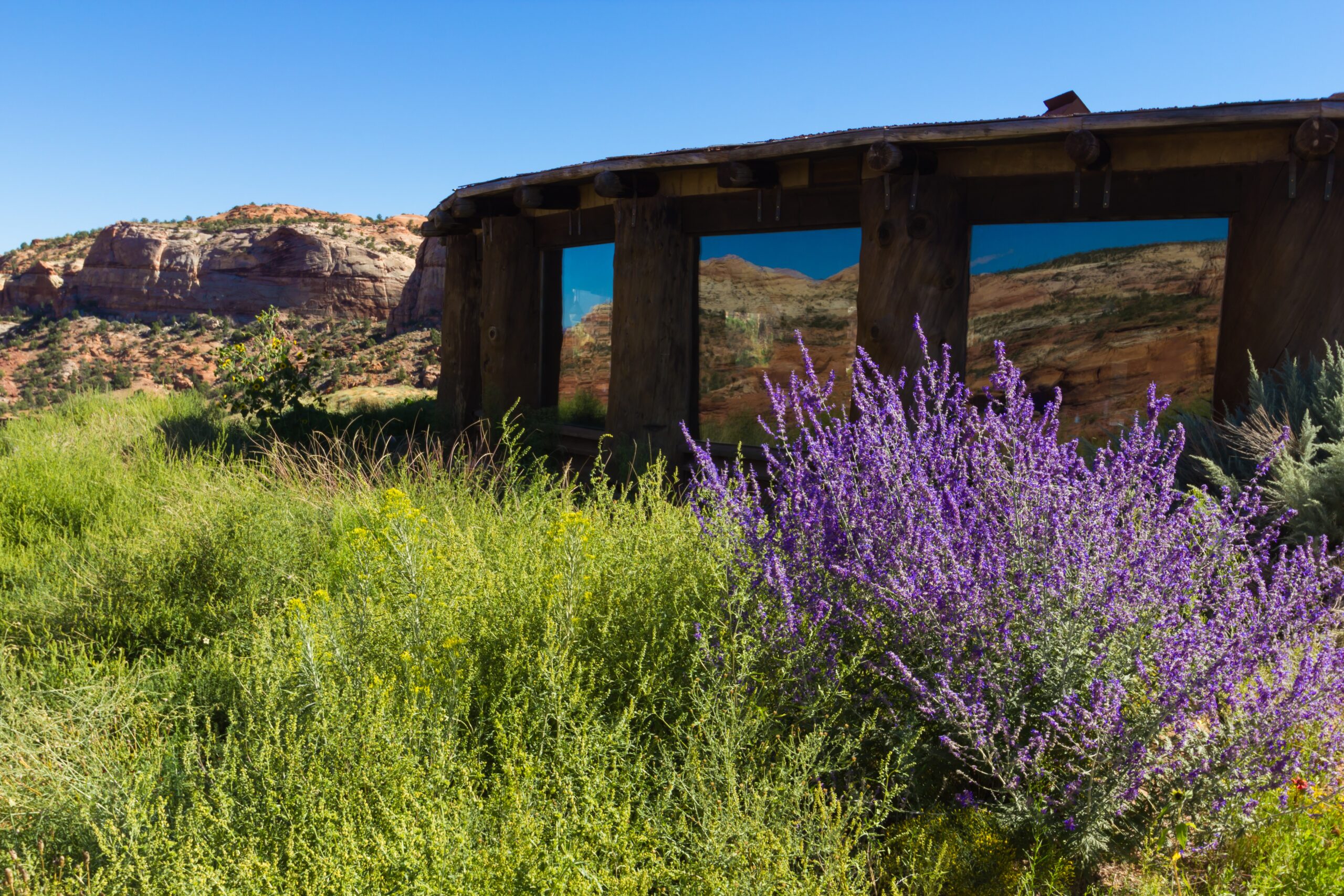
Large windows introduce changing daylight, allowing the colors of the surrounding landscape to become part of the interior design.
In places such as St. George, Ivins, and communities near Zion National Park, this approach feels particularly appropriate. The surrounding red-rock formations offer a remarkable natural palette that needs little embellishment.
Modern Comfort Meets Traditional Wisdom
The new Southwest home is not a rejection of modern technology. In many ways, it is a thoughtful marriage between traditional principles and contemporary innovation.
Today’s architects can combine passive solar design, carefully positioned windows, high-performance insulation, efficient mechanical systems, and durable building materials with the warmth of regional architectural traditions.
Roof overhangs and exterior shading help manage sunlight. Properly oriented windows can capture winter warmth while limiting unwanted summer heat. Water-conscious landscaping acknowledges the realities of living in an arid environment.
Meanwhile, contemporary construction techniques make it possible to achieve the sculptural appearance of traditional adobe-inspired architecture without requiring every home to be built from earthen bricks.
This distinction matters. A house may express Southwestern architectural character through its form, materials, and relationship to the land while using modern structural systems suited to local building requirements.
Building With the Landscape, Not Against It
Perhaps the most meaningful lesson Southwestern architecture offers is the importance of place.
A home designed for the red-rock desert should not necessarily resemble one built for a snowy mountain valley. Climate, topography, sunlight, views, and local building conditions all influence what makes a home successful.
In Southern Utah, thoughtful design may mean preserving existing rock formations, minimizing disturbance to the land, positioning outdoor spaces away from harsh afternoon sun, or selecting materials that harmonize with the desert.
It can also mean knowing when to exercise restraint.
Not every view needs an enormous wall of glass. Not every home requires a dramatic roofline or sprawling footprint. Sometimes the most memorable architectural gesture is a simple doorway framing a distant mesa, or a quiet courtyard filled with morning light.
The Future May Be Rooted in the Past
As Southwestern communities continue to grow, the conversation surrounding residential architecture is becoming increasingly important.
How do we build homes that are beautiful without being excessive? How do we honor regional character while welcoming new ideas? And how can architecture create a more meaningful connection between people and the places they call home?
The answers may be found, at least in part, by revisiting principles that have shaped the Southwest for generations: an understanding of climate, an appreciation for natural materials, and respect for the landscape.
The new Southwest is not simply an architectural style. It is a way of thinking about home.
And perhaps that is its greatest appeal. In a world of rapidly changing trends, there is something deeply reassuring about architecture that feels as though it has always belonged.
For Utah homeowners, architects, and builders, the opportunity is extraordinary: to create homes that embrace the comforts of modern living while reflecting the enduring beauty and character of the American Southwest.
Utah Homes Journal | Architecture & Design
Exploring the people, places, materials, and ideas shaping the homes we live in.
Topics:Architecture & Design
Subscribe to Our Newsletter
Keep in touch with our news & offers