Utah is a state of contrasts. Snow-covered peaks give way to red-rock canyons, high-desert plateaus, and valleys where the light seems to change by the hour. For those who call this landscape home, the surroundings are more than a beautiful backdrop. They influence how a home is designed, how outdoor spaces are used, and how people experience everyday life.
That relationship between home and landscape is at the heart of mountain and desert living.
Architecture That Works With the Land
A home in the mountains faces different demands than one in the southern Utah desert. Elevation, seasonal temperatures, wind, sun exposure, and the character of the terrain all influence thoughtful design.
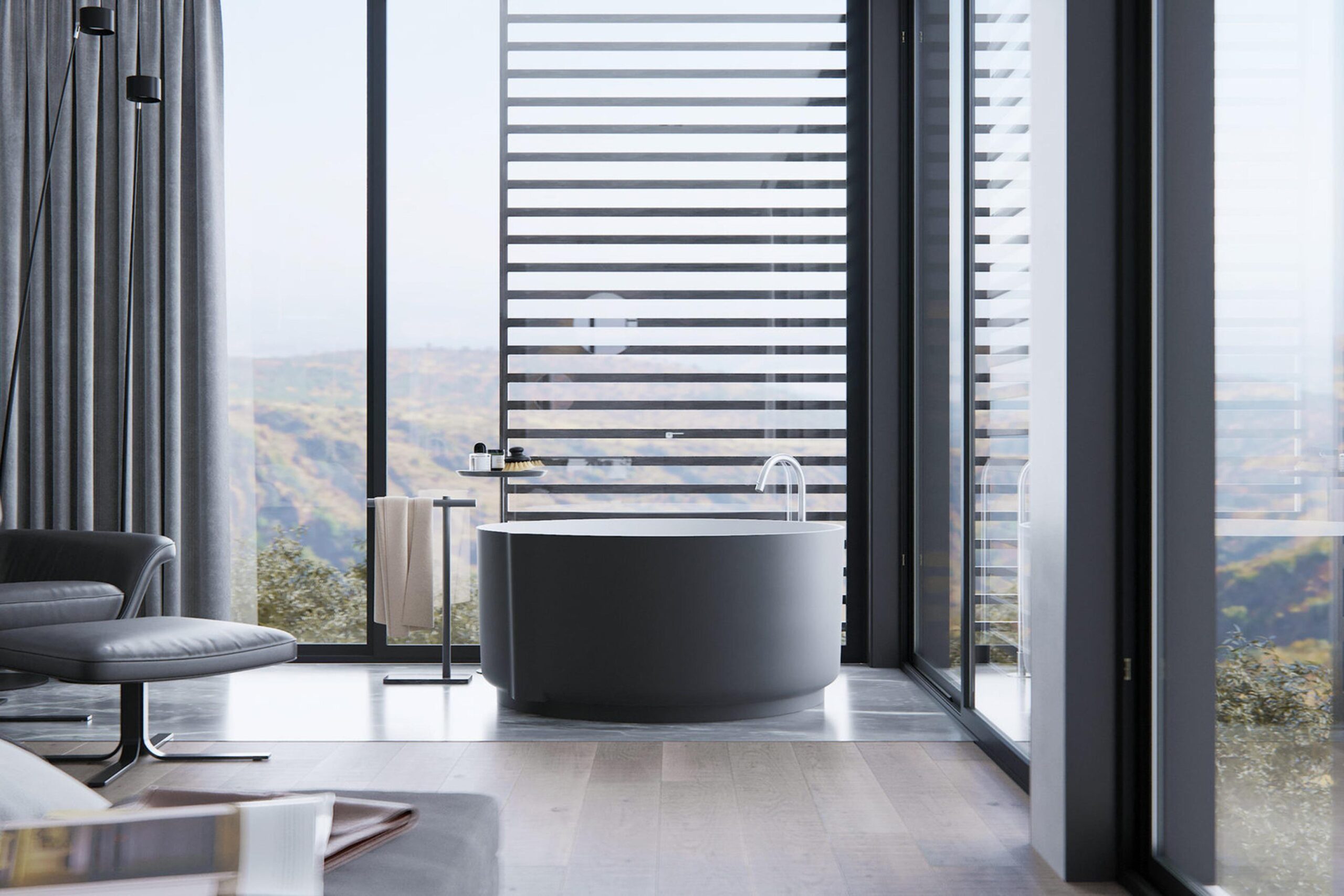
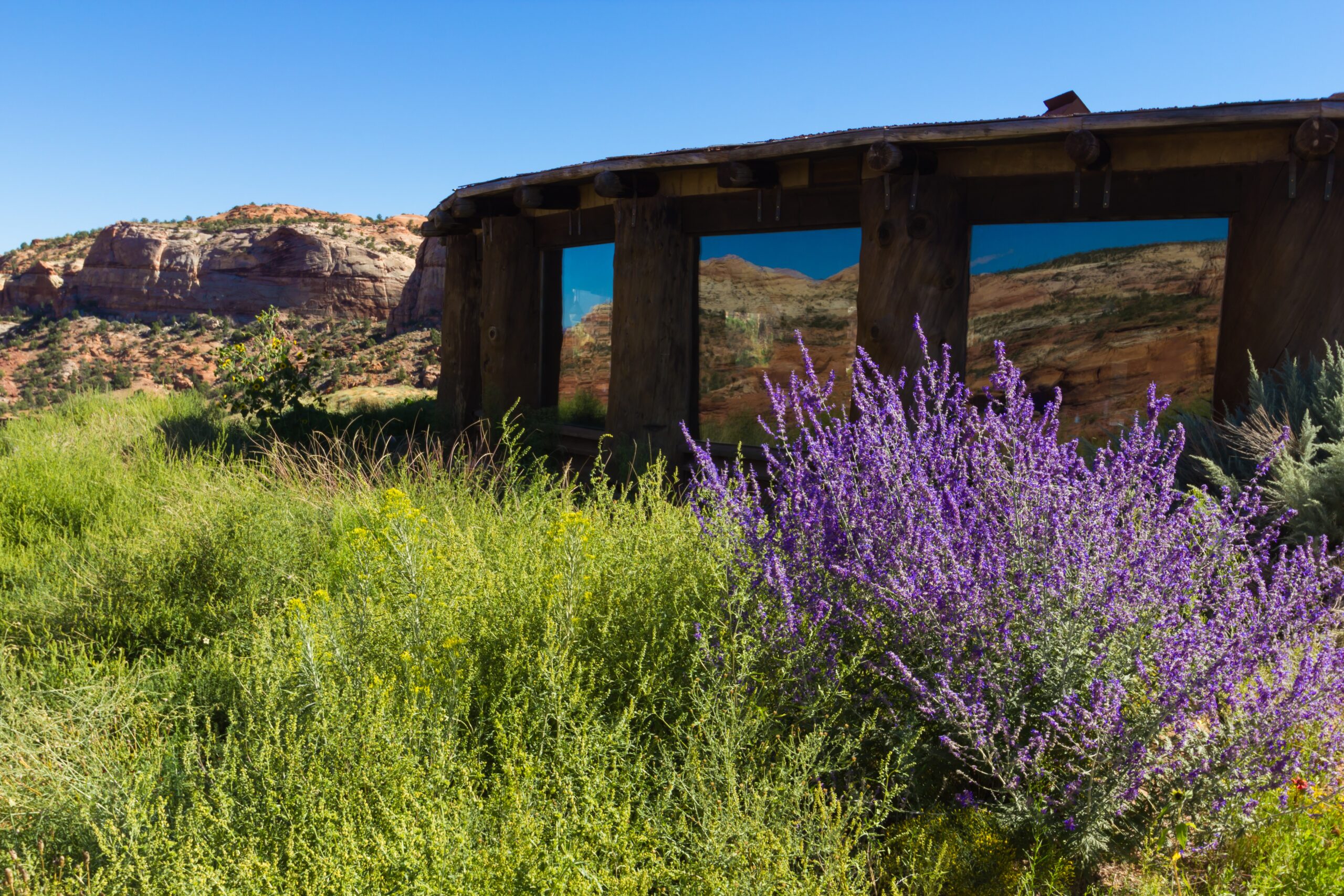
In mountain communities, natural stone, timber, generous windows, and sheltered outdoor spaces can create a connection to the surrounding forests and peaks. In desert communities, shaded courtyards, covered patios, earth-inspired colors, and carefully positioned windows can help balance the desire for natural light with the realities of intense summer sun.
The most successful designs do not simply imitate their surroundings. They respond to them.
Bringing the Outdoors Into Everyday Life
One of the pleasures of living in Utah is the opportunity to make the outdoors part of daily life. A covered patio can become an extension of the living room. A courtyard can offer a quiet retreat from the afternoon heat. A deck overlooking a mountain valley can provide a front-row seat to changing seasons.
These spaces do not need to be elaborate to be meaningful. Often, the best outdoor living areas are those designed around how people actually spend their time: sharing a meal, reading in the shade, entertaining friends, or enjoying a quiet morning.
A More Thoughtful Approach to Landscaping
In the desert, landscaping can be beautiful without relying on a thirsty lawn. Native and regionally appropriate plants, thoughtful irrigation, natural stone, and shaded seating areas can create a garden that feels connected to the surrounding environment.
Mountain properties have their own considerations, from drainage and erosion to wildfire awareness and the selection of plants suited to local conditions.
In both settings, working with the land rather than against it can make a property more comfortable, practical, and visually harmonious.
The Beauty of Belonging
Mountain and desert living is not defined by a particular architectural style or price point. It is a way of thinking about home: how a building sits on its site, how a room captures the morning light, and how a garden changes with the seasons.
Across Utah, the possibilities are as varied as the landscape itself. The common thread is a desire to create places that feel connected to where they stand.
For Utah Homes Journal, that is where the story begins: with the homes, people, ideas, and design choices that make living here distinctive.