The Architecture of Place: How Utah’s Landscape Is Shaping Modern Home Design

From the red rock country of Southern Utah to the alpine communities of the Wasatch Range, architects and designers are embracing a new approach to residential living—one that draws inspiration from the land itself.

Utah has never been a place of ordinary landscapes. Its towering mountains, sweeping desert valleys, ancient sandstone formations, and dramatic seasonal changes have long influenced how people live. Today, those same natural elements are inspiring a new generation of residential architecture, where thoughtful design, regional materials, and a strong connection to the outdoors are becoming defining characteristics of the modern Utah home.

Rather than imposing a particular architectural style upon the landscape, designers are increasingly looking to the surrounding environment for inspiration. The result is a distinctive approach to mountain and desert living that balances contemporary aesthetics with comfort, practicality, and a sense of place.

The most compelling homes in Utah aren’t necessarily the ones that stand apart from their surroundings. They’re the ones that seem to belong exactly where they were built.

Utah Homes Journal | Architecture & Design

Designing With the Landscape

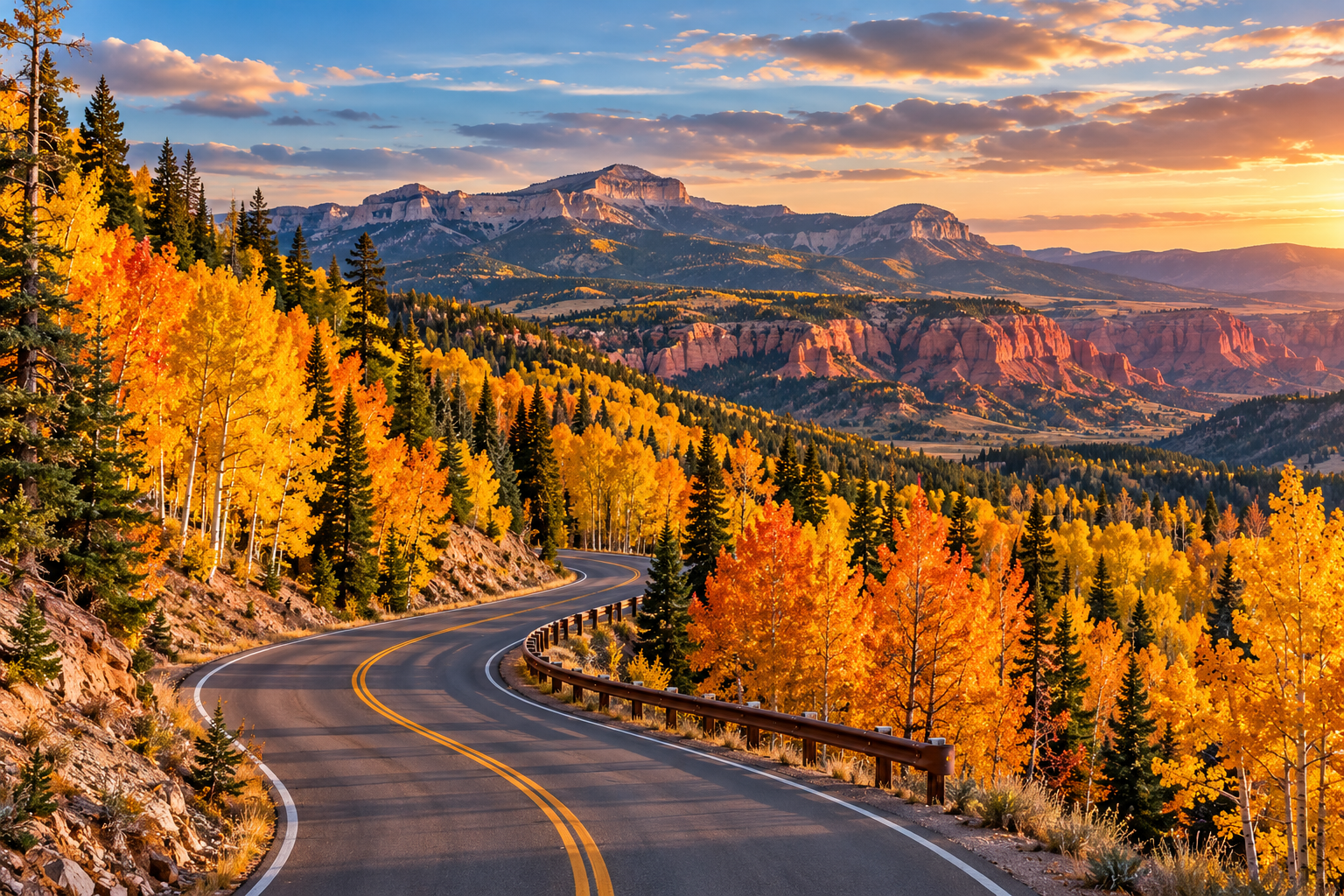
Utah’s geographical diversity presents both opportunities and challenges for residential design. A home overlooking the red cliffs of Snow Canyon requires a different architectural response than a mountain retreat nestled among the aspens of Park City.

Yet both share a common principle: successful architecture begins with understanding the land.

A New Language of Regional Architecture

1. Desert Modernism

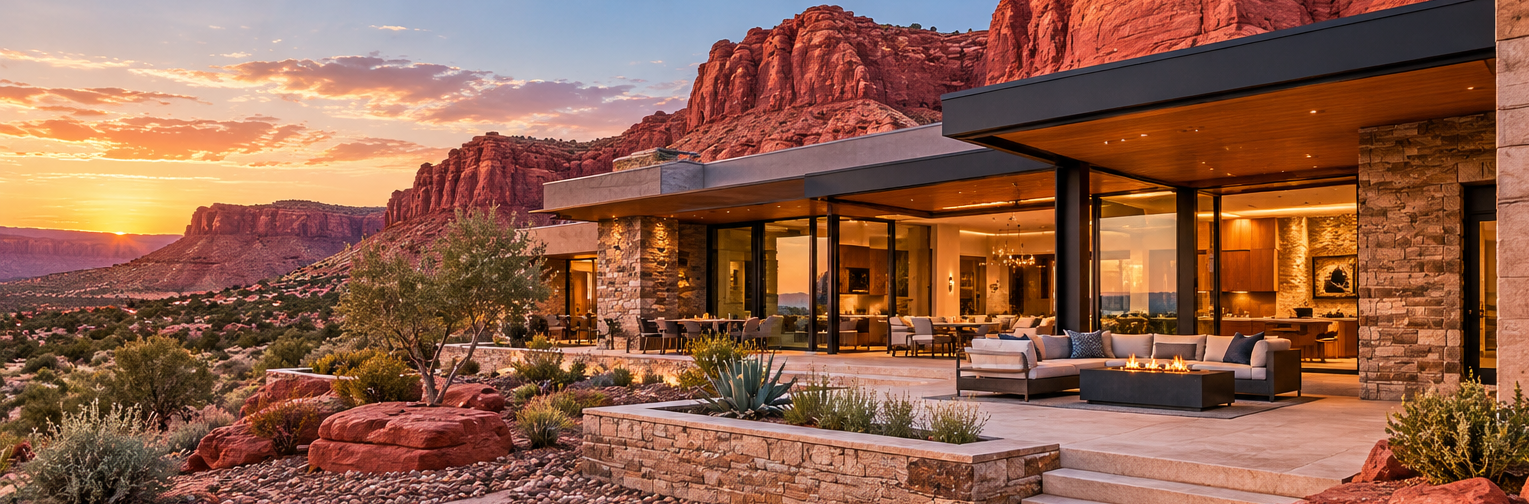
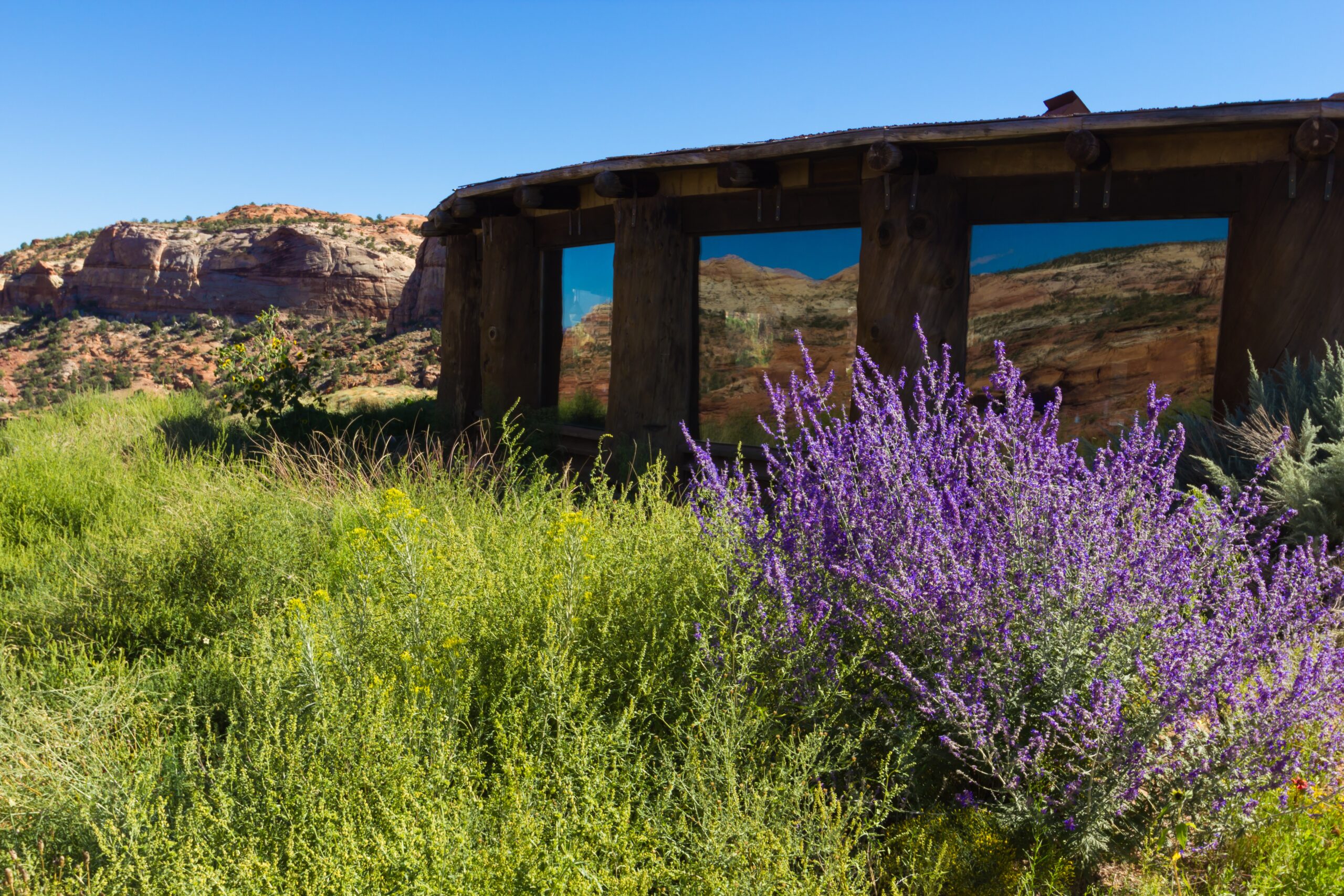
Across Southern Utah, desert modernism offers a contemporary interpretation of traditional Southwestern architecture. Clean horizontal lines, generous windows, shaded courtyards, and natural stone create homes that feel both sophisticated and connected to their surroundings.

Earth-toned stucco, weathered steel, and locally appropriate stone help soften the transition between building and landscape. Deep roof overhangs, carefully positioned windows, and covered outdoor spaces provide protection from the intense summer sun while preserving views of the surrounding red rock country.

The best examples demonstrate that modern design need not compete with nature to make an architectural statement.

2. Mountain Contemporary

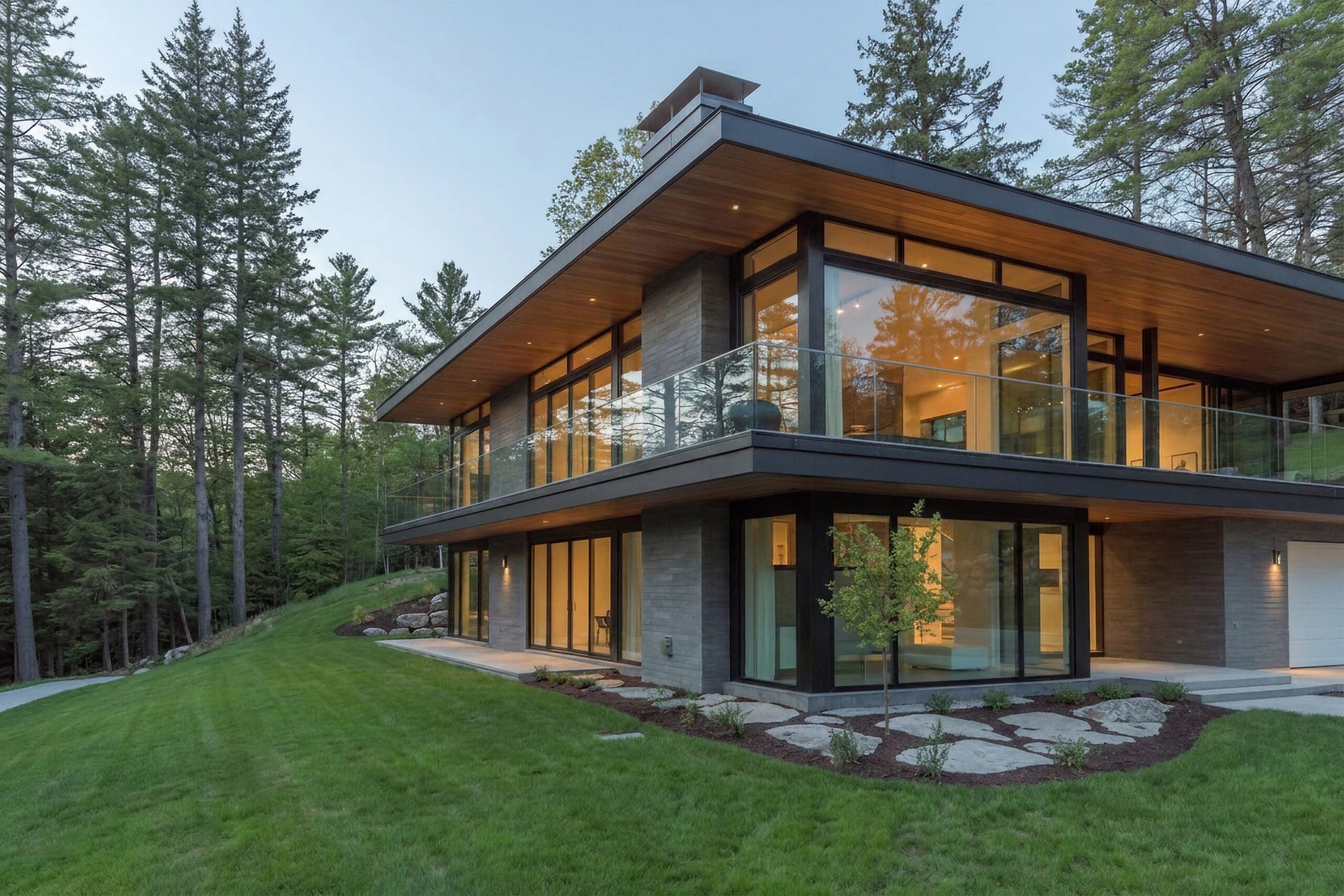
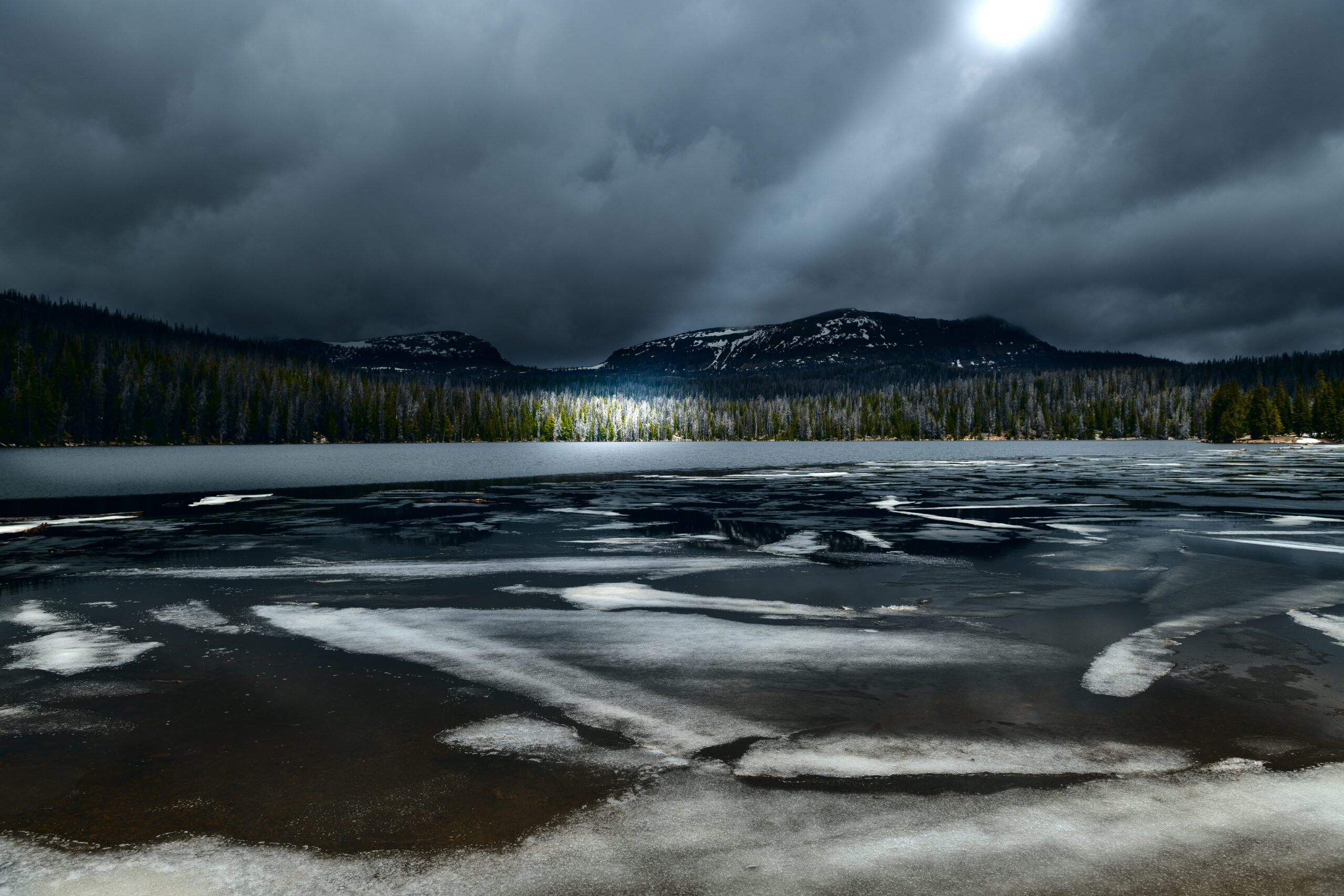
In Utah’s northern mountain communities, residential architecture takes on a different character. Steep rooflines, timber accents, expansive glass, and natural stone reflect the demands of colder climates while offering a contemporary alternative to the traditional mountain lodge.

Large windows frame alpine scenery, while open floor plans and carefully designed gathering spaces accommodate both everyday living and seasonal entertaining.

Increasingly, mountain homes combine rustic materials with restrained interiors, allowing texture, natural light, and the surrounding landscape to provide much of the visual interest.


Where Beauty Meets Practicality

1. Building for Utah’s Climate

Architectural beauty means little if a home cannot respond comfortably to its environment. Utah’s climate demands thoughtful consideration of sunlight, temperature fluctuations, snowfall, and water availability.

In desert communities, passive shading, high-performance windows, and efficient cooling systems can help reduce summer energy demands. In mountain settings, insulation, roof design, snow management, and solar orientation become especially important.

Across the state, architects are exploring ways to improve energy performance without compromising aesthetics.

The result is an approach to residential design in which comfort and efficiency are considered from the earliest planning stages rather than added as an afterthought.

2. Materials That Tell a Story

Materials play an important role in establishing a home’s architectural identity.

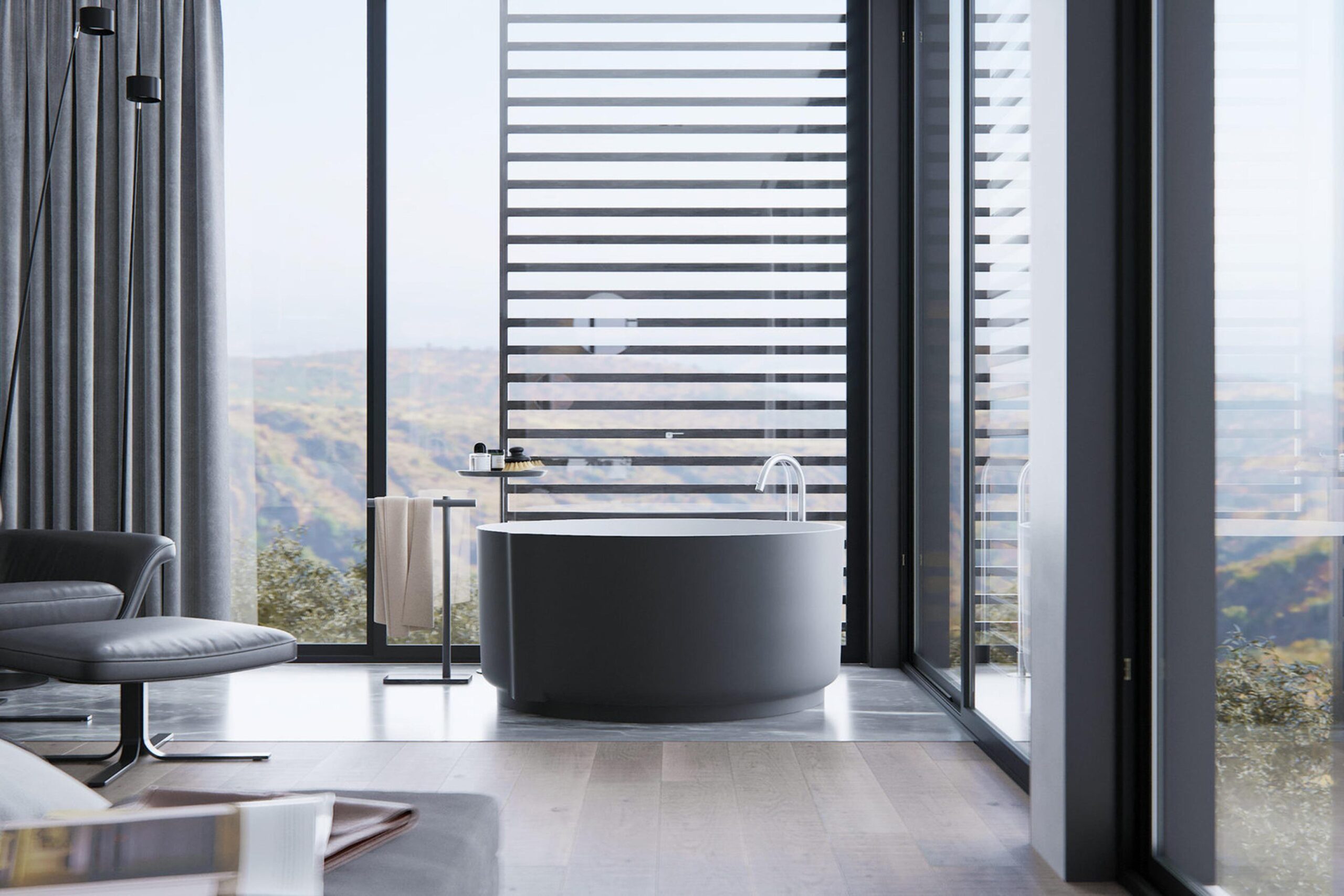
Natural stone, wood, plaster, steel, and textured finishes can bring warmth and permanence to contemporary spaces. Their colors and surfaces often echo the surrounding landscape, creating visual continuity between interior and exterior environments.

In Southern Utah, warm neutrals and sandstone-inspired palettes complement the desert. In the mountains, timber, darker metals, and layered natural textures provide a sense of shelter and warmth.

Thoughtful material selection also considers durability, maintenance, sourcing, and how finishes will age over time.

The Future of Utah Residential Design

Perhaps the most meaningful shift in residential architecture is the growing recognition that a home should be more than an impressive structure.

It should respond to the people who inhabit it, the climate in which it stands, and the landscape that surrounds it.

Flexible living spaces, outdoor gathering areas, natural light, energy-conscious construction, and enduring materials are helping shape homes that feel both contemporary and timeless.

For Utah’s architects, builders, designers, and homeowners, the opportunity is extraordinary. Few places offer such dramatic differences in geography, climate, and architectural inspiration within a single state.

And perhaps that is what makes Utah residential design so compelling: there is no single Utah style.

There is simply the opportunity to build something that belongs.

Subscribe to Our Newsletter

Keep in touch with our news & offers