
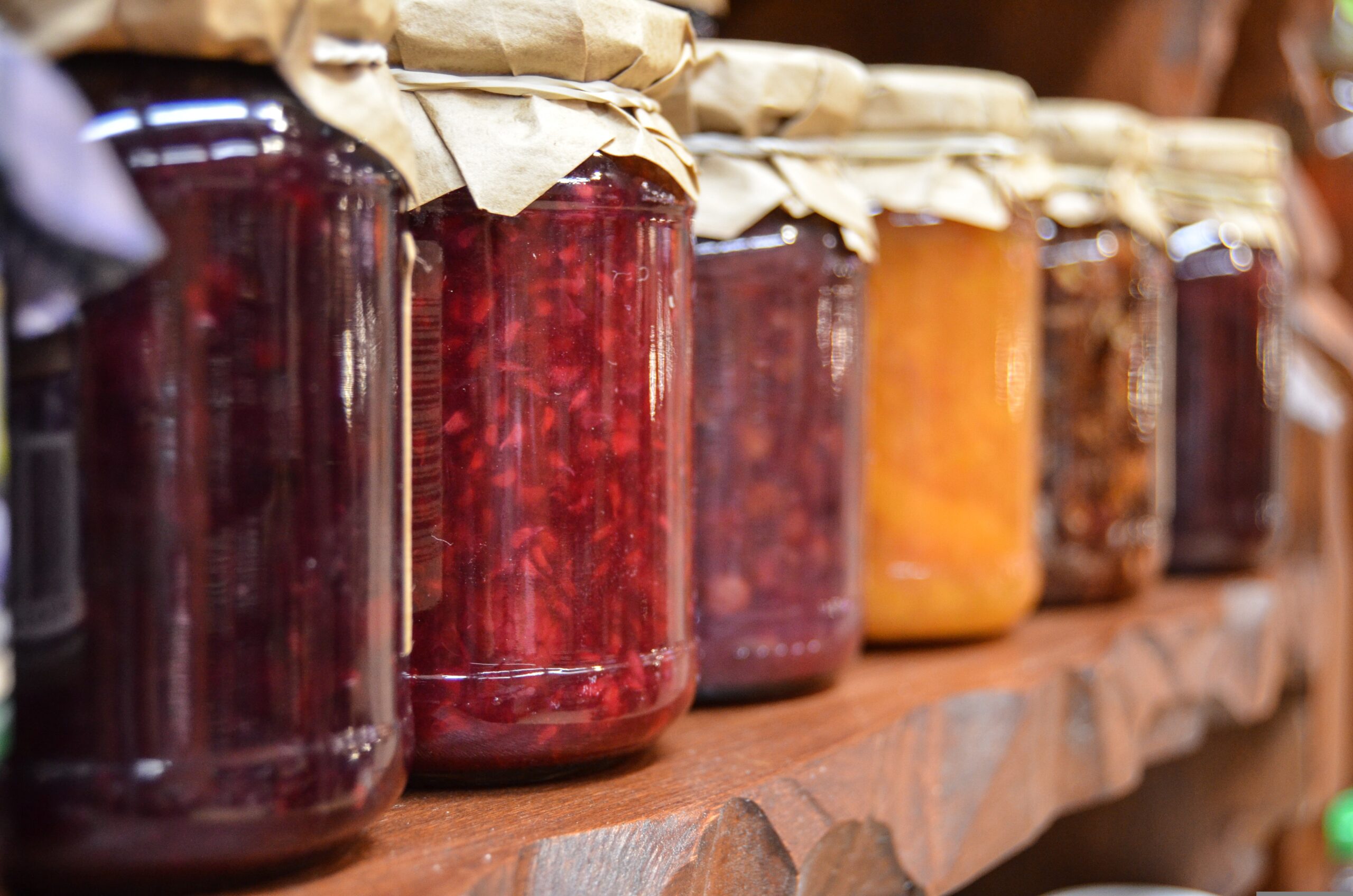
Preserving the Past: Why Home Canning is a Utah Obsession
Step into almost any Utah home, and there is a high probability you will find a dedicated pantry, a cold storage room, or a basement closet meticulously stocked with jars of vibrant peaches, homemade salsas, and rows of silver bulk cans. While home food preservation has become a niche hobby in many parts of the country, in the Beehive State, it remains a core lifestyle pillar.
Here is a look at the unique blend of culture, history, and science that keeps Utah at the forefront of the home canning movement.
1. Built on a Foundation of Self-Reliance
The single biggest driver of Utah’s canning culture is a deeply ingrained focus on emergency preparedness. For generations, leaders of The Church of Jesus Christ of Latter-day Saints have explicitly counseled members to build a three-month to one-year supply of food and water.
This institutional emphasis led to the creation of church-operated home storage centers and public canneries across the state, stretching from Logan down to St. George. At these facilities, residents regularly gather to seal bulk dry goods like wheat, oats, and beans into industrial #10 cans engineered for a 30-year shelf life. This religious cultural norm seamlessly blends into secular neighborhoods, making a robust home food reserve a standard feature of Utah home design.
2. A Heritage Rooted in Pioneer Survival
Utah’s obsession with canning is directly hardwired into its history. Early pioneers arriving in the Salt Lake Valley had to rely entirely on what they could grow and preserve to survive the brutal winter months.
By the early 20th century, this survival tactic evolved into a massive statewide industry. Cities like Ogden became major rail hubs for the western canned vegetable market, anchored by iconic institutions like the Utah Canning Company. Millions of cases of locally grown peas, tomatoes, and fruits were processed right here in Utah. When modern Utah homeowners can their backyard harvests today, they are participating in a direct, unbroken lineage of local agricultural pride.
3. The High-Altitude Science of Local Kitchens
Canning in Utah isn’t just an art form—it is a science heavily dictated by geography. Because the state sits at a high average elevation, water boils at a lower temperature, and air pressure is reduced. This means standard, sea-level canning recipes can fail to kill dangerous bacteria like botulism if they aren’t adjusted.
To combat this, the state relies on a highly active scientific resource: the Utah State University (USU) Extension. Every summer and autumn, USU extension agents field thousands of inquiries from local homeowners, test pressure-canner gauges for free, and publish rigorous, altitude-adjusted safety charts. It is a rare example of a state university system operating as a direct safety shield for residential kitchens.
4. A Modern Response to Rising Food Costs
While heritage and culture keep canning alive, modern economics are driving its latest resurgence. With inflation hitting grocery budgets hard over the last few years, a new generation of Utah homeowners is turning to canning as a practical way to manage household expenses.
Local municipalities and community groups regularly host workshops, such as Salt Lake City’s “Canned with Care” initiative, to teach urban families how to safely preserve seasonal produce. Whether it is a suburban family transforming a backyard tomato patch into a year’s supply of marinara, or downtown condo dwellers making artisanal jams, canning remains Utah’s favorite way to make a house truly feel like a self-sufficient home.
If you would like to expand this article further, let me know if you want to add specific home design tips (like how to build an ideal root cellar or cold-storage room in a Utah basement) or a list of local harvesting resources for homeowners.